Everything You Need to Know About the Next Bitcoin Halving Event in 2028 🚀
Bitcoin halving is one of the most anticipated events in the cryptocurrency world, shaping both market sentiment and long-term price trends. The next halving is expected to occur in April 2028 at block height 1,050,000. This milestone will once again reduce the supply of new coins entering circulation.
Bitcoin on Binance

What will happen during the 2028 Bitcoin halving? ⛏️
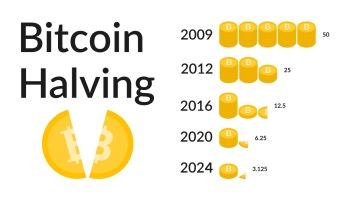
The upcoming halving will reduce the mining reward from 3.125 BTC to 1.5625 BTC per block. This programmed scarcity mechanism is built into :contentReference[oaicite:0]{index=0} to control inflation and mimic the scarcity of precious resources like gold. Historically, halvings have played a crucial role in long-term price appreciation and investor interest.
History of Bitcoin halvings and their market impact 📊
The first Bitcoin halving occurred in 2012, reducing rewards from 50 BTC to 25 BTC. At that time, the event was relatively unknown outside niche crypto communities, yet it laid the foundation for future market cycles. The price of Bitcoin increased significantly in the months following the event, marking the beginning of its mainstream recognition.
The second halving in 2016 and the third in 2020 followed a similar pattern. Both events triggered long-term bullish trends, though not immediately. These cycles established a pattern where supply shock gradually influenced demand, often resulting in new all-time highs within 12 to 18 months after each halving.
Bitcoin price predictions after the 2028 halving 🔮
Many analysts believe that the 2028 halving could once again trigger a strong bullish cycle. While no prediction is guaranteed, historical data suggests that reduced supply combined with increasing demand tends to drive prices upward. Institutional adoption and global macroeconomic factors may further amplify this effect.
Some forecasts speculate that Bitcoin could reach new record highs after 2028, especially if adoption continues to grow. However, market volatility remains a key factor, and price movements may not follow previous cycles exactly. Investors should approach predictions cautiously and consider broader economic conditions.
Why Bitcoin halving matters for miners and investors ⚙️
For miners, halving events directly impact profitability by cutting rewards in half. This often forces less efficient miners out of the market, leading to increased competition and technological innovation. As a result, mining operations tend to become more efficient over time.
For investors, halving represents a fundamental shift in supply dynamics. With fewer new coins entering circulation, scarcity increases, which can drive demand. This mechanism is one of the key reasons why Bitcoin is often referred to as “digital gold.”
Interesting facts about Bitcoin halving events 🧠
Bitcoin halving occurs approximately every four years, based on block production rather than calendar time. This means the exact date can vary slightly depending on network activity. The 2028 halving is estimated for April but could shift by a few days.
Another fascinating aspect is that halvings will continue until around the year 2140. At that point, the maximum supply of 21 million Bitcoins will be reached. Afterward, miners will rely solely on transaction fees as their primary source of income.
How the 2028 halving fits into the long-term Bitcoin cycle 📈
The 2028 halving is expected to be part of the fifth major Bitcoin cycle. Each cycle has historically brought increased awareness, adoption, and technological development. As Bitcoin matures, these cycles may become less volatile but more influenced by global financial systems.
Additionally, the growing role of institutional investors could change how the market reacts to halvings. Unlike earlier cycles driven mainly by retail traders, future trends may be shaped by hedge funds, ETFs, and corporate adoption.
Bitcoin halving remains one of the most important mechanisms defining Bitcoin’s long-term value. The 2028 event will further reduce supply, potentially influencing both market dynamics and investor sentiment. While history provides clues, the future of Bitcoin will depend on adoption, regulation, and global economic trends.
Sources 📚
- https://bitcoin.org/en/bitcoin-paper
- https://www.investopedia.com/bitcoin-halving-4843769
- https://en.wikipedia.org/wiki/Bitcoin