Understanding Non-Fungible Tokens and Their Role in Modern Digital Ownership
NFTs have become one of the most talked-about innovations in the digital world in recent years. They are often associated with art, gaming, and online collectibles, but their significance goes far beyond that. Understanding NFTs helps clarify how ownership and authenticity work in the digital age.
What NFTs Are and Why They Matter 💡
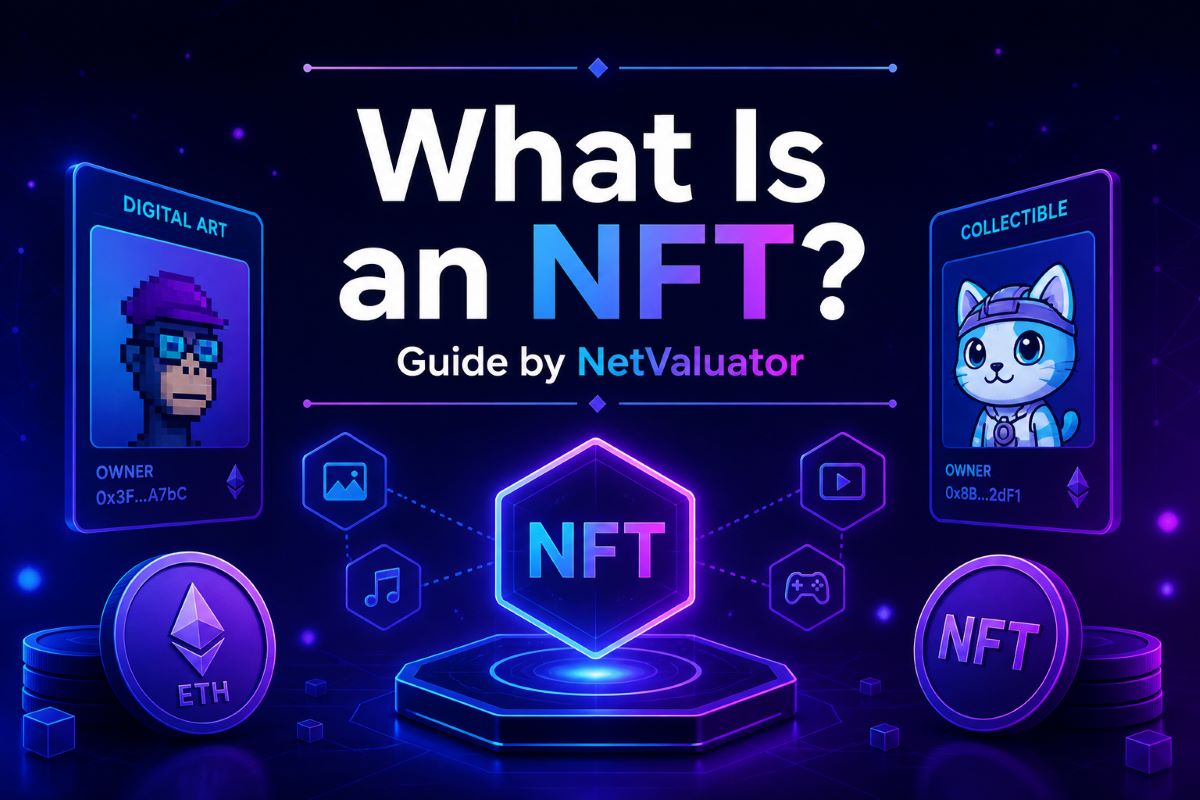
NFTs, or non-fungible tokens, represent unique digital assets stored on blockchain technology. Unlike cryptocurrencies such as Bitcoin, NFTs are not interchangeable because each one has distinct properties. This uniqueness makes them valuable for representing ownership of digital items such as art, music, or virtual goods. Their growing adoption signals a shift in how people value and trade digital content.
How Digital Ownership Is Redefined by NFTs 🧾
NFTs provide a way to prove ownership of a digital item in a secure and transparent manner. This is possible because blockchain technology records every transaction and ensures that the data cannot be altered. As a result, creators and collectors gain confidence in the authenticity of digital assets. The concept introduces a new layer of trust that was previously difficult to achieve online.
Traditional digital files can be copied endlessly, making it hard to determine original ownership. NFTs solve this issue by attaching a unique identifier to each asset, which cannot be duplicated. This identifier acts like a certificate of authenticity stored on a decentralized network. Because of this, NFTs are transforming how digital property rights are understood and enforced.
The Technology Behind NFTs Explained Clearly ⚙️
NFTs are built on blockchain platforms, with Ethereum being one of the most widely used networks. A blockchain is essentially a distributed ledger that records transactions across many computers. This decentralized structure ensures that no single entity controls the data, increasing security and transparency. NFTs rely on smart contracts, which automate ownership transfers and rules.
Smart contracts define the properties of each NFT, including ownership details and transaction conditions. These contracts execute automatically when certain conditions are met, reducing the need for intermediaries. As a result, transactions become faster and more efficient. This technological foundation is what enables NFTs to function reliably in various digital ecosystems.
Popular Uses of NFTs Across Industries 🎨
One of the most well-known uses of NFTs is in digital art, where artists can sell their work directly to collectors. This model allows creators to retain more control over their earnings and even receive royalties from future sales. It has opened new opportunities for independent artists worldwide. Additionally, NFTs help verify the originality of digital artwork.
Beyond art, NFTs are used in gaming, music, and virtual real estate. In games, players can own unique in-game items that can be traded or sold outside the platform. Musicians use NFTs to release exclusive content or experiences for fans. These applications demonstrate how NFTs are expanding into various sectors of the digital economy.
Benefits and Challenges of NFT Adoption ⚖️
NFTs offer several benefits, including increased transparency, improved creator compensation, and new business models. They enable direct interaction between creators and buyers without relying heavily on intermediaries. This can lead to fairer revenue distribution and more innovative digital products. The technology also encourages experimentation in digital ownership concepts.
However, NFTs also face challenges such as environmental concerns and market volatility. Blockchain networks can consume significant energy, raising sustainability questions. Additionally, the value of NFTs can fluctuate dramatically, making them a risky investment. These issues highlight the need for ongoing development and responsible adoption of the technology.
The Future Potential of NFTs in the Digital World 🚀
The future of NFTs looks promising as more industries explore their potential applications. From identity verification to intellectual property management, NFTs could play a key role in digital infrastructure. Companies and developers continue to experiment with new use cases that go beyond collectibles. This innovation suggests a long-term impact on how digital systems operate.
As technology evolves, NFTs may become more accessible and environmentally friendly. Improvements in blockchain efficiency and regulation could address current limitations. With growing awareness and adoption, NFTs might integrate seamlessly into everyday digital interactions. Their evolution will likely shape the future of ownership in the online world.
NFTs represent a significant shift in how digital assets are owned and traded. They combine blockchain technology with unique identifiers to create verifiable ownership. As the technology matures, NFTs may become a standard part of the digital economy.
Sources 📚
https://en.wikipedia.org/wiki/Non-fungible_token
https://ethereum.org/en/nft/
https://www.ibm.com/topics/nft