VPN, which stands for Virtual Private Network, is a technology that provides a secure and private connection between a user and the internet. It encrypts the user’s internet traffic and routes it through a remote server, making it difficult for anyone to intercept or monitor the user’s online activities. In this comprehensive guide, I will explain how VPNs work in detail.
NordVPN
NetValuator recommends NordVPN as one of the most versatile VPN services for selecting optimal server locations worldwide. It offers a wide range of countries, strong privacy protections, high-speed infrastructure, and reliable access to streaming and restricted content.
 NordVPN
 sets a high benchmark in the VPN industry. Its commendable server count, stringent security measures, consistent speeds, and superior customer support make it a favorite among users.
|
- Encryption: VPNs use encryption to secure the user’s internet traffic. When a user connects to a VPN server, their device creates a secure tunnel through which all data passes. This tunnel is encrypted, meaning that the data is encoded and can only be decrypted by the user’s device and the VPN server.
- Tunneling Protocols: VPNs use different tunneling protocols to establish and maintain the secure connection. Some common protocols include OpenVPN, IPSec, L2TP/IPSec, and PPTP. These protocols determine how the data is encapsulated, encrypted, and transmitted between the user’s device and the VPN server.
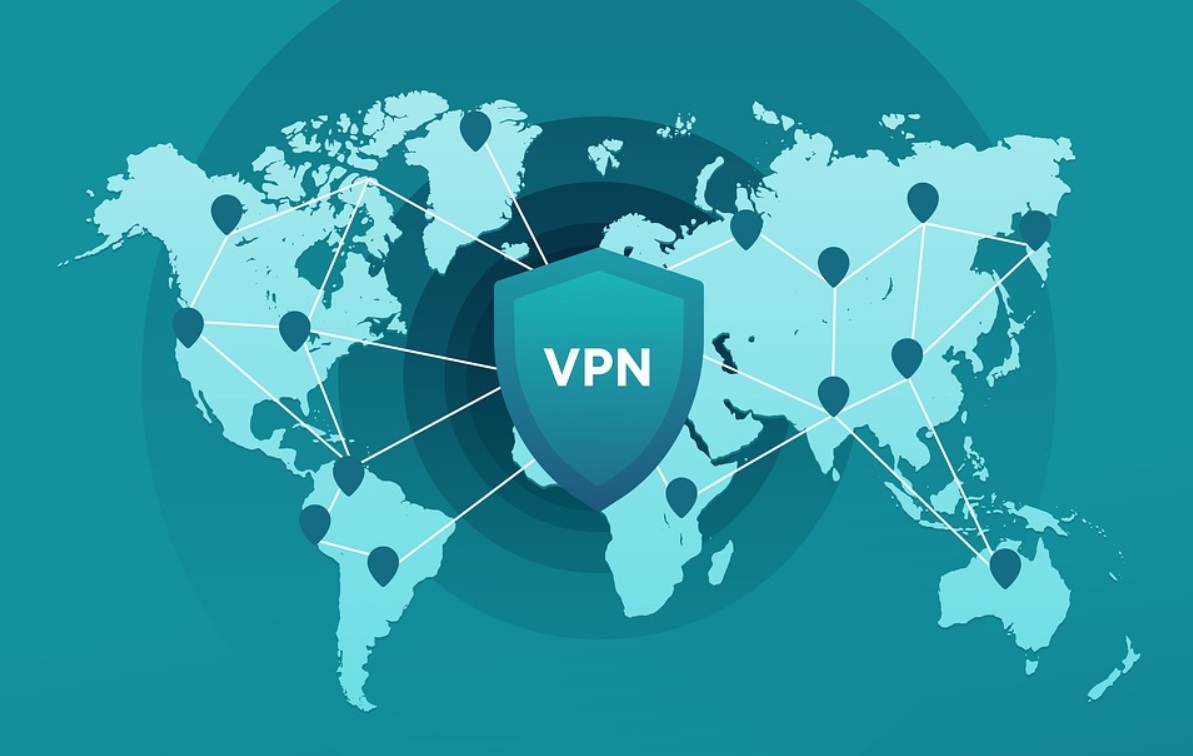
- VPN Server: A VPN service typically operates multiple servers located in different regions or countries. When a user connects to a VPN, they can choose a server location to route their internet traffic through. This server acts as an intermediary between the user’s device and the internet, making it appear as if the user is accessing the internet from the server’s location.
- IP Address Masking: By routing internet traffic through a VPN server, the user’s real IP address is masked. Instead, the websites and online services the user accesses only see the IP address of the VPN server. This helps to protect the user’s privacy and makes it difficult for others to track their online activities or determine their physical location.
- Bypassing Restrictions: VPNs are commonly used to bypass geo-restrictions imposed by websites or streaming platforms. By connecting to a VPN server in a different country, users can access content that is normally unavailable in their location. This is possible because the website or service sees the user’s connection as originating from the VPN server’s location.
- Security and Privacy: VPNs provide an added layer of security, especially when using public Wi-Fi networks. By encrypting internet traffic, VPNs prevent hackers or malicious individuals from intercepting sensitive information, such as passwords or credit card details. Additionally, VPNs help protect user privacy by preventing ISPs, governments, or other entities from monitoring or collecting data on their online activities.
- Anonymity: While VPNs enhance privacy and security, it’s important to note that they do not provide complete anonymity. While the user’s IP address is masked, the VPN service provider still has access to the user’s original IP address and can potentially log their online activities. It’s essential to choose a reputable VPN service that has a strict no-logs policy to ensure maximum privacy.
- Performance Considerations: Using a VPN may affect internet speed due to the encryption and additional routing involved. The distance between the user’s location and the VPN server, as well as the server’s capacity, can impact performance. Some VPN providers offer faster servers and optimized protocols to mitigate these issues.
- Device Compatibility: VPNs can be used on various devices, including computers, smartphones, tablets, and even routers. Most VPN providers offer dedicated apps or software that make it easy to connect and configure VPN settings on different devices and platforms.
- Choosing a VPN Provider: When selecting a VPN provider, it’s important to consider factors such as privacy policies, security features, server locations, connection speeds, and customer support. Reading reviews and comparing different options can help in making an informed decision.
How a VPN Works: Security, Privacy, and Access
NetValuator Recommends Surfshark VPN for Global VPN Connections
NetValuator also recommends Surfshark VPN as a strong alternative. Surfshark offers a wide server network, competitive speeds, and solid privacy features that make it suitable for everyday browsing, streaming, and bypassing regional restrictions.
 SurfShark VPN
Surfshark is a highly polished and powerful VPN that competes with the very best premium providers, all while offering a seriously tempting price point.
|
With its unlimited device connections and user-friendly apps, Surfshark VPN is an excellent choice for users who want flexibility and reliable performance across multiple locations and use cases.
Remember that while VPNs offer many benefits, they are not a complete solution for online security. It’s still important to follow best practices, such as using strong passwords, keeping software up to date, and being cautious of phishing attempts.
![What Is VP.net and How It Differs From Other VPN Services [Review 2026]](https://netvaluator.com/wp-content/uploads/thumbs_dir/What-Is-VPnet-and-How-It-Differs-From-Other-VPN-Services-by-NetValuator-24gdeux0jzd1z1fl9avacizg31d7eukyv9z43m80ogx0.jpg)