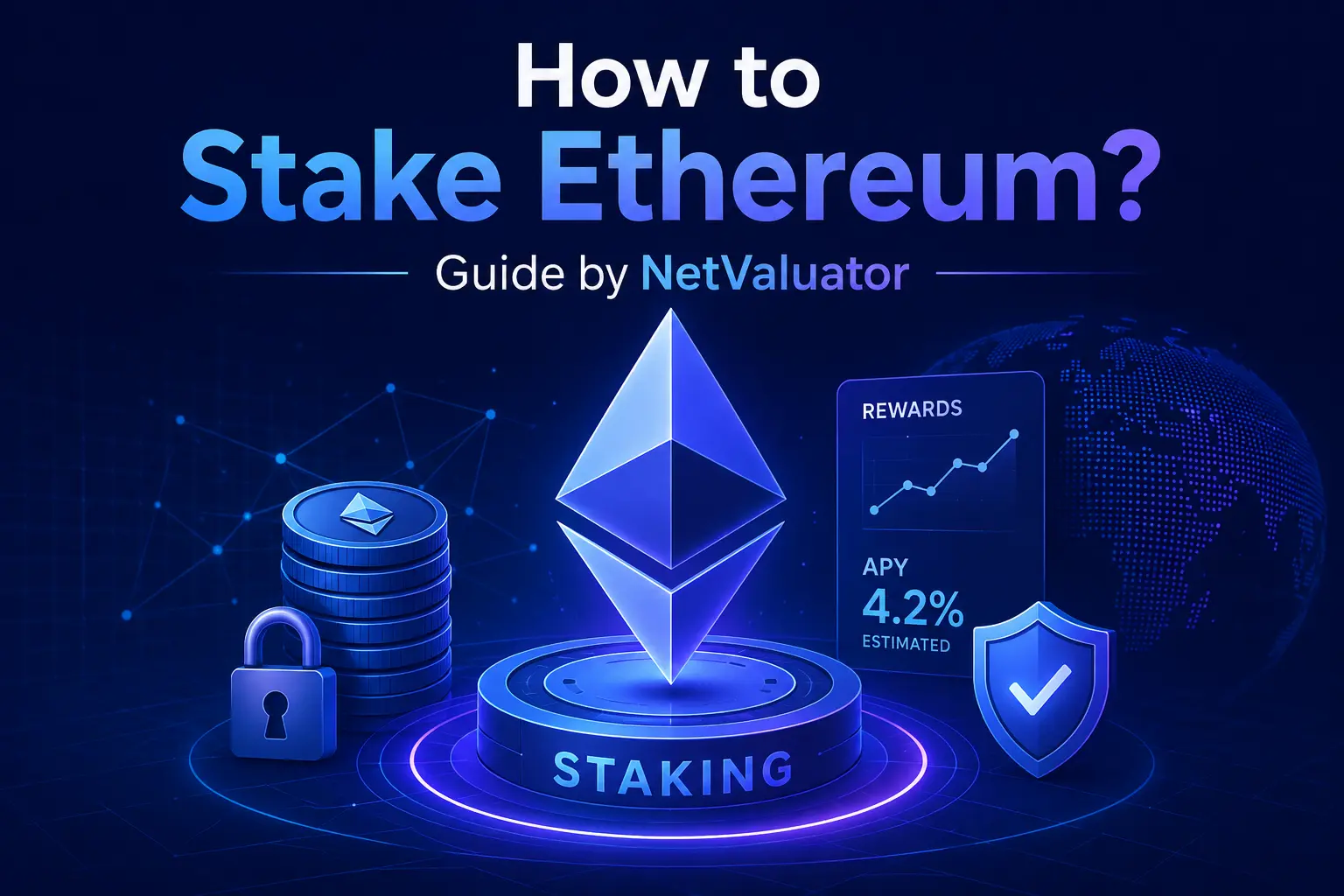
🚀 Complete Beginner’s Guide to ETH Staking and Passive Crypto Income
Ethereum (ETH) staking has become one of the most popular ways to earn passive rewards in the cryptocurrency market. Investors lock their ETH to help secure the blockchain network while receiving regular staking payouts in return. The process is now easier than ever thanks to exchanges, staking pools, and modern crypto wallets.
Stake ETH on Binance

💰 Why Ethereum Staking Keeps Growing Fast
Ethereum moved to a Proof-of-Stake system, making staking an important part of network security and transaction validation. Users who stake ETH support decentralization while earning annual percentage rewards that vary with market conditions. Many investors see staking as a long-term strategy that combines blockchain participation with passive income opportunities.
Crypto exchanges and decentralized staking platforms simplified the process for beginners who previously needed advanced technical knowledge. Today, investors can stake small amounts of Ethereum without operating expensive hardware or maintaining validator servers. This accessibility increased global interest in Ethereum staking among retail and institutional investors.
🔒 Best Ways to Stake Ethereum Securely
There are several methods for staking Ethereum, and each option offers different levels of control, security, and rewards. Centralized exchanges provide easy staking services directly inside trading accounts, making them ideal for beginners entering the crypto market. Popular platforms automate most technical steps and distribute rewards regularly to users.
More experienced crypto holders often prefer decentralized staking through hardware wallets or staking pools. This method gives users greater ownership over their private keys while reducing dependence on centralized companies. Although decentralized staking may require more setup time, many investors believe it improves long-term security and transparency.
📈 Ethereum Staking Rewards and Profit Potential
Staking rewards depend on factors such as validator activity, network participation, and Ethereum market conditions. Average annual returns usually range between three and five percent, though these rates may change over time as more validators join the blockchain. Investors should understand that crypto prices remain volatile even while staking rewards accumulate steadily.
Many long-term holders use staking to increase their ETH balance without active trading or constant portfolio management. Compounding rewards can gradually improve investment growth, especially during strong crypto market cycles. However, users should compare fees charged by staking providers because high platform commissions may reduce overall profitability.
⚡ Risks Every Ethereum Investor Should Understand
Although Ethereum staking offers attractive rewards, investors should also understand the potential risks before locking funds. Cryptocurrency markets remain highly volatile, and ETH prices can decline significantly even when staking payouts continue normally. Investors may also face temporary liquidity limitations depending on the staking platform or withdrawal rules.
Security remains another major concern in the digital asset industry because hackers frequently target exchanges and online wallets. Choosing trusted staking providers with strong reputations and additional protection features can reduce potential risks. Hardware wallets and two-factor authentication are commonly recommended for safer long-term Ethereum storage.
🌍 Future Trends in Ethereum Staking Technology
Ethereum staking continues evolving as blockchain developers introduce new scalability upgrades and decentralized finance innovations. Liquid staking solutions already allow users to access liquidity while keeping their ETH actively staked on the network. These technologies are helping staking become more flexible and attractive for modern crypto investors worldwide.
Institutional adoption may also drive further growth in Ethereum staking during the coming years as financial companies expand blockchain services. More banks, fintech firms, and crypto platforms are exploring regulated staking products for mainstream customers. Analysts expect Ethereum staking to remain a central component of the broader digital asset ecosystem.
📊 Comparison of Popular Ethereum Staking Methods
Choosing the right Ethereum staking method depends on investment goals, technical experience, security expectations, and available ETH balance. Some investors prefer simple exchange staking for convenience, while others select decentralized solutions for better control over private keys and long-term asset protection. The table below compares the most common Ethereum staking options used by beginners and advanced crypto holders.
| Staking Method | Minimum ETH | Difficulty Level | Security Level | Potential Rewards | Main Advantages | Main Disadvantages |
|---|---|---|---|---|---|---|
| Centralized Exchange | Very Low | Easy | Medium | Medium | Simple setup, beginner friendly, automatic rewards | Less control over funds, platform risk |
| Staking Pool | Low | Easy to Medium | Medium to High | Medium | Accessible with small ETH amounts, shared validator costs | Pool fees and reduced decentralization |
| Hardware Wallet Staking | Low | Medium | High | Medium to High | Better asset protection and private key control | Requires additional setup and hardware device |
| Solo Validator Node | 32 ETH | Advanced | Very High | High | Maximum decentralization and full validator rewards | Expensive entry and technical maintenance |
| Liquid Staking | Very Low | Medium | Medium | Medium | Maintains liquidity while earning staking rewards | Smart contract risks and protocol dependence |
Ethereum staking offers a practical way to earn passive rewards while supporting one of the world’s largest blockchain networks. Beginners can start with simple exchange-based solutions, while advanced users often prefer decentralized staking methods for greater control. Understanding security practices, fees, and market risks remains essential for building a safer long-term staking strategy.
📚 Sources
1. Ethereum Official Website – https://ethereum.org
2. Coinbase Learn – https://www.coinbase.com/learn
3. Wikipedia – https://en.wikipedia.org/wiki/Ethereum




![Top 10 Best Web Hosting For WordPress in 2023 [Video]](https://netvaluator.com/wp-content/uploads/thumbs_dir/Top-10-Best-Web-Hosting-For-WordPress-in-2023-Video-218si019xodpqok3x4rgocuaztbkj4zywa5j1gavolus.jpg)