👟 Nike vs Adidas – Which Sportswear Giant Deserves a Place in Your Wardrobe?
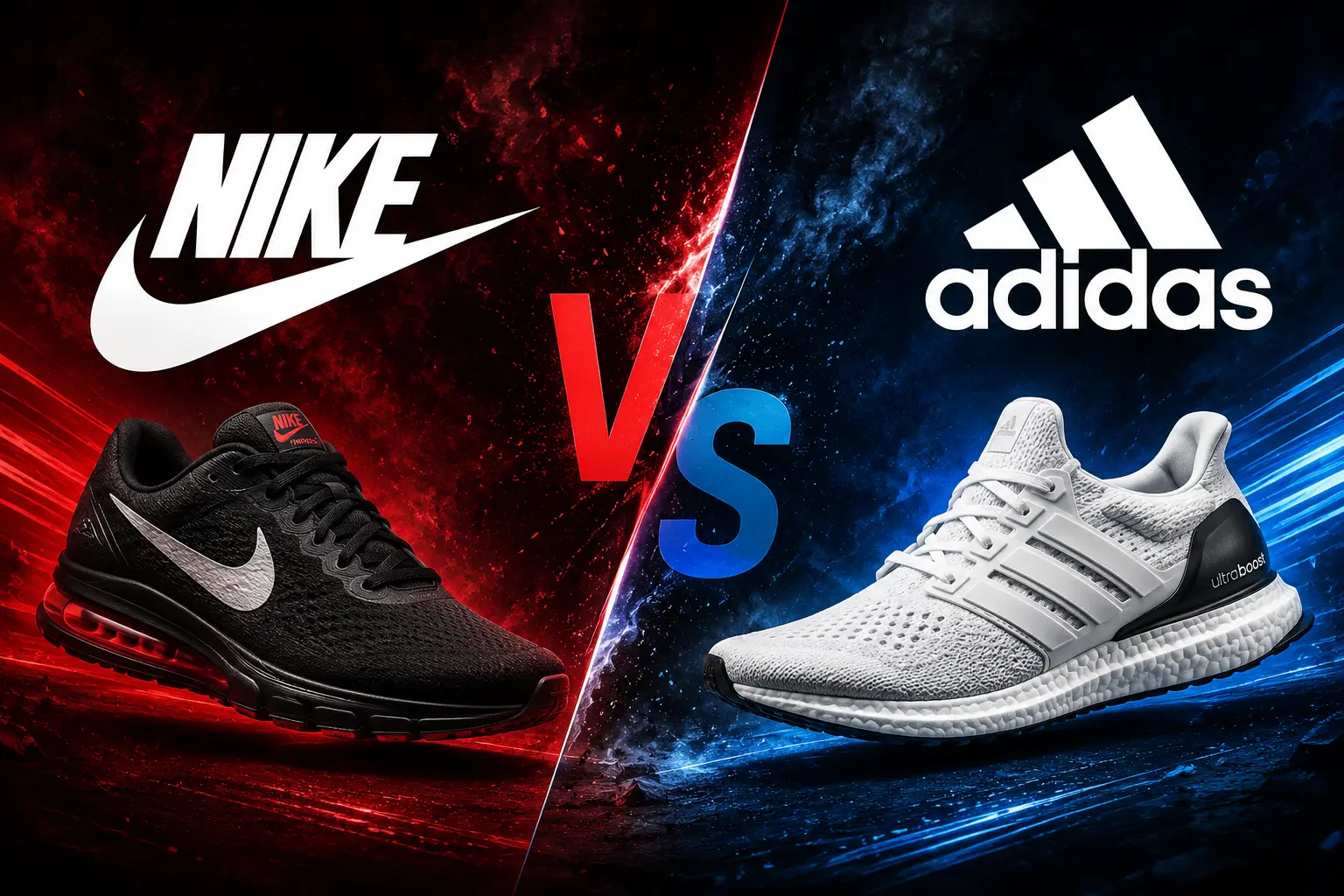
Few rivalries in the sportswear industry are as iconic as Nike versus Adidas. These two global brands dominate the athletic footwear, apparel, and lifestyle fashion markets, generating billions of dollars in revenue every year while sponsoring some of the world’s most famous athletes, teams, and cultural icons. Whether you are shopping for running shoes, football boots, gym clothing, or everyday sneakers, chances are your decision will eventually come down to Nike or Adidas.
Although both companies operate in the same industry, they have developed distinct identities over the decades. Nike is often associated with innovation, performance, and aggressive marketing, while Adidas combines athletic heritage with streetwear culture and fashion-forward design. Choosing between them is not always easy, which is why a detailed comparison can help determine which brand better fits your needs, style preferences, and budget.
🏛️ Nike – Background and Key Characteristics
Nike was founded in 1964 by Bill Bowerman and Phil Knight under the name Blue Ribbon Sports before officially becoming Nike in 1971. The company takes its name from the Greek goddess of victory and is headquartered in Beaverton, Oregon, USA. Over the years, Nike has become the largest sportswear company in the world, thanks to legendary marketing campaigns, athlete endorsements, and innovative product lines such as Air Max, Air Force 1, Air Jordan, and Nike Zoom. The famous “Just Do It” slogan and the Swoosh logo are recognized almost everywhere on the planet. Nike has built its reputation around performance-driven innovation while maintaining enormous influence in fashion and popular culture. :contentReference[oaicite:0]{index=0}
🇩🇪 Adidas – Background and Key Characteristics
Adidas was founded in 1949 by Adolf “Adi” Dassler in Herzogenaurach, Germany. The company emerged after the split of the Dassler brothers’ shoe business, which also led to the creation of Puma. Adidas became famous for its iconic three-stripe branding and strong connection to football, athletics, and later streetwear culture. Throughout its history, Adidas has produced legendary footwear lines such as Samba, Superstar, Stan Smith, Predator, and Ultraboost. The company successfully blends sports performance with lifestyle fashion, making it popular among athletes and casual consumers alike. :contentReference[oaicite:1]{index=1}
⚡ 1. Brand Identity and Global Recognition
Nike has built one of the most powerful brands in business history. Its marketing campaigns focus heavily on motivation, achievement, and pushing personal limits. Endorsements from athletes such as Michael Jordan, Cristiano Ronaldo, LeBron James, and many others have helped create a strong emotional connection with consumers. Nike often positions itself as a symbol of ambition and elite athletic performance.
Adidas takes a somewhat different approach by balancing sports performance with lifestyle and fashion culture. The brand has deep roots in football and European sports while maintaining strong connections to music, fashion, and streetwear communities. Collaborations with designers, musicians, and cultural influencers have helped Adidas remain relevant beyond traditional sports markets. Many consumers see Adidas as slightly more versatile from a fashion perspective.
🏃 2. Athletic Performance and Innovation
Nike is widely regarded as an industry leader in sports technology. Innovations such as Air cushioning, Zoom Air, React foam, and Vaporfly racing shoes have influenced entire categories of athletic footwear. Professional runners, basketball players, and athletes across multiple disciplines frequently choose Nike products because of their focus on performance enhancement. The company invests heavily in research and development to maintain its competitive advantage.
Adidas has also delivered significant innovations, particularly with technologies such as Boost cushioning and Primeknit uppers. The Ultraboost line became one of the most successful running shoe series of the last decade due to its combination of comfort and energy return. Adidas tends to emphasize comfort and versatility, creating products that perform well both during athletic activity and everyday wear.
👕 3. Style and Everyday Fashion
Nike products often feature bold branding, modern silhouettes, and performance-inspired aesthetics. Popular models such as Air Force 1, Air Max, and Jordan sneakers have become fashion staples worldwide. The brand’s designs frequently appeal to younger consumers looking for a sporty and contemporary look. Nike’s influence extends far beyond sports into music, entertainment, and street culture.
Adidas excels in retro-inspired fashion and timeless sneaker designs. Models such as Samba, Stan Smith, Gazelle, and Superstar have remained relevant for decades without major redesigns. Adidas often appeals to consumers seeking a more understated and versatile style that works equally well in casual and fashionable settings. The brand’s connection to streetwear culture remains particularly strong in Europe.
⚽ 4. Football and Team Sports
Nike has significantly expanded its football presence over the past few decades. The company sponsors many of the world’s biggest football stars and elite clubs while producing popular boot lines such as Mercurial, Phantom, and Tiempo. Nike’s football products often emphasize speed, agility, and modern design. The brand continues to gain market share in the global football industry.
Adidas remains one of the most historically important brands in football. The company has supplied official match balls for numerous major tournaments and developed legendary boot lines such as Predator, Copa, and F50. Many football fans associate Adidas with tradition, heritage, and authenticity within the sport. Its long-standing relationship with football gives it a unique advantage among dedicated supporters.
💰 5. Pricing and Value for Money
Nike products often command premium prices, especially limited-edition sneakers and signature athlete collections. Consumers are frequently paying not only for performance and quality but also for the brand’s prestige and cultural influence. While many customers consider the products worth the price, budget-conscious shoppers may find some Nike releases expensive.
Adidas generally offers a slightly wider range of affordable options while still maintaining premium product categories. Entry-level footwear and apparel are often competitively priced compared to equivalent Nike products. Many buyers believe Adidas delivers excellent comfort and durability for the money, making it a strong value-oriented choice within the premium sportswear segment.
📊 Nike vs Adidas – Quick Comparison Table
Both Nike and Adidas are global leaders in sportswear, but they excel in different areas. The table below highlights some of the most important differences to help readers quickly compare the two brands.
| Comparison Aspect | Nike | Adidas |
|---|---|---|
| 1. Founded | 1971 (as Nike) | 1949 |
| 2. Country of Origin | United States | Germany |
| 3. Headquarters | Beaverton, Oregon, USA | Herzogenaurach, Germany |
| 4. Famous Logo | Swoosh | Three Stripes |
| 5. Brand Slogan | “Just Do It” | “Impossible Is Nothing” |
| 6. Strongest Market Position | Running, Basketball, Training | Football, Lifestyle, Streetwear |
| 7. Most Popular Technologies | Air Max, Zoom Air, React | Boost, Primeknit, Lightstrike |
| 8. Basketball Presence | Industry leader | More limited presence |
| 9. Football Heritage | Strong but newer | Exceptional and historic |
| 10. Comfort for Everyday Wear | Very good | Excellent |
| 11. Fashion Influence | Strong sneaker culture | Strong streetwear culture |
| 12. Premium Product Pricing | Usually higher | Slightly more affordable |
| 13. Running Shoe Innovation | Market-leading | Highly competitive |
| 14. Classic Sneaker Models | Air Force 1, Air Max, Jordan | Samba, Stan Smith, Superstar |
| 15. Sustainability Initiatives | Move to Zero Program | Made with Recycled Materials Program |
| 16. Athlete Sponsorships | Michael Jordan, LeBron James, Cristiano Ronaldo | Lionel Messi, Jude Bellingham, Mohamed Salah |
| 17. Best For | Performance-focused athletes | Lifestyle and football enthusiasts |
| 18. Overall Brand Image | Innovation and performance | Heritage and versatility |
✅❌ Pros and Cons of Nike
Pros: Nike offers industry-leading innovation, exceptional athletic performance, and one of the strongest brand reputations in the world. Its product portfolio covers virtually every major sport, while iconic sneaker lines remain highly desirable among collectors and fashion enthusiasts. The company consistently introduces new technologies that help athletes improve performance. Nike’s global influence is unmatched in many areas of sports marketing.
Cons: Premium pricing can make Nike products less accessible for some consumers. Certain highly sought-after releases can be difficult to purchase due to limited availability and resale demand. Some customers also feel that Nike focuses heavily on branding and marketing, which can inflate prices. Fashion trends may cause some designs to become outdated relatively quickly.
✅❌ Pros and Cons of Adidas
Pros: Adidas combines excellent comfort, strong athletic performance, and timeless design. Its classic sneaker models often remain fashionable for many years, making them versatile long-term purchases. The brand offers strong value for money across multiple product categories and maintains a rich sporting heritage. Adidas also performs exceptionally well in football and lifestyle fashion markets.
Cons: Adidas sometimes struggles to match Nike’s pace of innovation in certain performance categories. Some product lines can feel less technologically advanced compared to Nike’s latest offerings. The company also experiences periods where fashion-driven collections overshadow its athletic identity. Availability of certain popular models may vary significantly between markets.
🏆 Final Verdict
Nike and Adidas are both outstanding brands, but they appeal to slightly different audiences. Nike is generally the stronger choice for consumers seeking cutting-edge sports technology, elite athletic performance, and bold branding. Adidas, meanwhile, offers an excellent balance of comfort, style, heritage, and value, making it particularly attractive for everyday wear and football enthusiasts.
If your primary goal is performance and innovation, Nike usually has the edge. If you value comfort, timeless design, and versatility between sport and fashion, Adidas is often the better choice. Ultimately, there is no wrong decision—both brands have earned their place among the most successful and respected names in sportswear history.
📚 Sources
- Official Nike Website: https://about.nike.com
- Official Adidas Website: https://www.adidas.com
- Adidas History: https://www.adidas.com/us/blog/392942-adidas-history-1949-to-now
- Nike Company Overview: https://www.britannica.com/money/Nike-Inc
- Wikipedia – Nike: https://en.wikipedia.org/wiki/Nike,_Inc.
- Wikipedia – Adidas: https://en.wikipedia.org/wiki/Adidas