🌐 Guide to Accessing a Router Admin Panel Through 192.168.0.1
Many users access their router settings through the private IP address 192.168.0.1 every day. This address opens the router administration panel where internet and Wi Fi settings can be managed safely. Understanding how the login process works helps users solve network issues faster and improve connection security.
🔐 Easy Steps to Open and Configure a Router Using 192.168.0.1
The router login page gives users direct access to wireless settings, passwords, and advanced security tools. Most internet providers still rely on this address because it is simple and widely compatible with modern devices. A proper configuration can improve internet stability and reduce connection interruptions at home. Regularly checking the router dashboard also helps detect unusual activity on the local network.
📡 How to Access the Router Administration Panel Safely
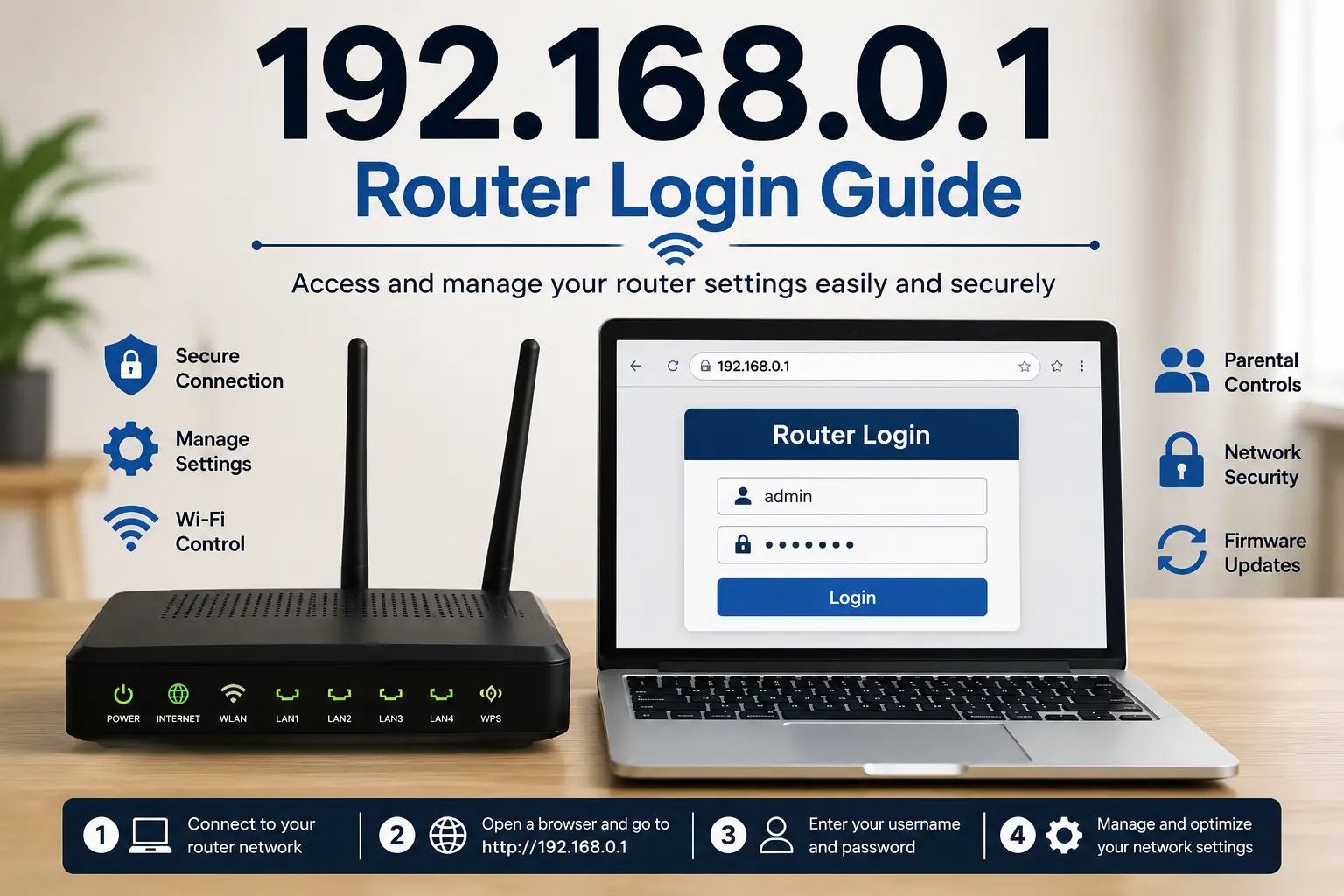
Opening the router panel through 192.168.0.1 is usually the first step when a home internet connection becomes unstable or slow. Users can log into the interface with default credentials supplied by the provider or with a custom password created during installation. The panel works in most modern browsers and does not require additional software.
After entering the router interface, users can review network traffic, restart the device, or update wireless settings without contacting technical support. Many modern routers also include parental controls, guest networks, and security tools directly inside the administration page. Regular access to the panel helps keep the entire connection reliable and secure.
💻 Common Problems While Logging Into a Router
Typing 192.168.0.1 into the address bar instead of the search field is important because browsers may otherwise open unrelated results. The login screen normally requests a username and password before displaying advanced configuration options. Default credentials are often printed on the router label or included in the provider documentation.
When the login page does not appear correctly, restarting the router and reconnecting the device can solve the issue quickly. Users should also confirm that the computer or smartphone is connected to the same local network as the router. Clearing browser cache files may additionally restore access to the administration panel without difficulty.
🛡️ Best Security Settings for Home Internet Routers
Changing the default router password after the first login is one of the easiest ways to improve network security at home. Weak credentials can allow unauthorized users to modify settings, reduce performance, or monitor online activity without permission. Strong passwords should include letters, numbers, and symbols for better protection.
Modern router panels accessed through 192.168.0.1 also contain firewall settings that help block suspicious traffic and harmful connections. Users can enable encrypted Wi Fi standards, disable outdated protocols, and create separate guest access for visitors. These simple adjustments reduce the risk of attacks against personal devices connected to the network.
⚙️ Advanced Router Features Hidden Inside the Dashboard
Internet providers often customize router dashboards, so menus and features may look different even when the same IP address is used. Some brands include automatic optimization tools that adjust wireless channels and improve signal quality during busy hours. Learning the interface structure makes future troubleshooting faster and less stressful for users.
Advanced settings available after logging into 192.168.0.1 can also help gamers and remote workers achieve a more stable connection. Port forwarding, bandwidth priorities, and firmware updates are usually available inside the administration area. Correct configuration reduces interruptions during video meetings, online gaming, and large file transfers.
🔧 Resetting and Recovering Access to a Router Panel
Users who cannot access the router panel should first confirm that 192.168.0.1 is the correct gateway address for their device model. Some manufacturers rely on alternatives such as 192.168.1.1 or custom domains linked directly to the router system. Checking the manual or provider website usually resolves confusion within minutes.
If repeated login failures continue, restoring factory settings may become necessary before configuring the router again from the beginning. Reset buttons are normally located on the back of the device and require several seconds of pressure before activation. Creating new credentials immediately after the reset helps maintain strong network protection.
Managing a router through 192.168.0.1 is a simple process that can greatly improve internet performance and security. Regularly updating settings and passwords helps protect the network from unwanted access and connection issues. A properly configured router ensures stable browsing, streaming, gaming, and remote work every day.
📚 Sources
- https://en.wikipedia.org/wiki/Private_network
- https://www.cisco.com
- https://www.tp-link.com
![How to Speed Up Your Computer or Laptop Using CCleaner [Download Link]](https://netvaluator.com/wp-content/uploads/thumbs_dir/How-to-Speed-Up-Your-Computer-or-Laptop-Using-CCleaner-Download-Link-24atl2r3vfwvjw351zfwl3ltz2nj6l4fqzn279y44ask.jpg)